
Tourist-season preparation
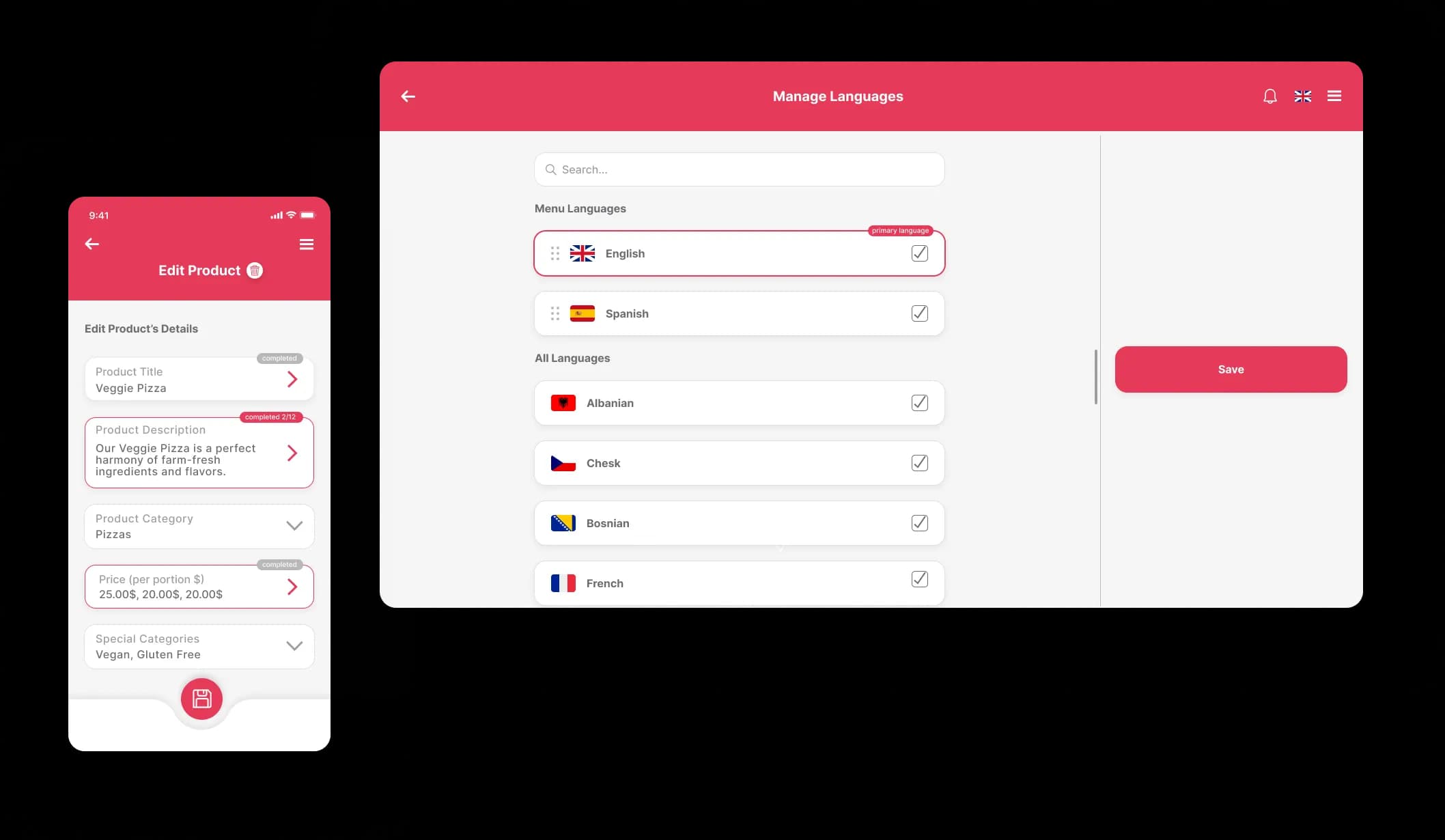
Multilingual Restaurant Menus for Tourist Season
A translated title is not enough when the guest does not recognise the dish. Tourist-season menus should explain ingredients and format clearly while keeping prices, availability and allergen information aligned across every language.
Step 1
Choose languages from real demand
Use reservation origin, recurring questions and local travel patterns instead of publishing languages the team cannot maintain.
- Start with Greek and English
- Add languages with meaningful demand
- Assign a reviewer for every language
Step 2
Explain local dishes clearly
Keep the original name and add a concise description of main ingredients, cooking method and serving style.
- Use consistent dietary labels
- Make allergen information easy to find
- Avoid unreviewed automatic translations
Step 3
Test the mobile journey
Ask a native speaker to browse and choose without staff explanation on a real phone and average connection.
- Keep language switching in context
- Compress food photography
- Check the ten most popular dishes first
One menu, one controlled source
Prices, availability and allergen changes should update every language from one product record.
FAQ
Frequently asked questions
How many languages should a restaurant offer?
Offer the languages you can review and maintain, prioritised by actual guest demand.
Should local dish names be translated?
Keep the original name when it carries identity, then explain the dish in the selected language.
Does menu allergen information replace staff advice?
No. Guests with serious allergies should still alert staff so the venue can follow its preparation process.
Prepare one multilingual menu for the season
See how Quickord manages products, translations, photos and instant updates from one place.
Book a Quickord demo